
I have always been a spiritual person, but organized religion never appealed to me. Growing up in a religious family and community where over 90% of the people belonged to the same church, I had little exposure to other religions. This limited perspective led to a biased view. In college, a religious studies class further solidified my skepticism towards organized religion, as it delved into the origins and diverse beliefs of various faiths.
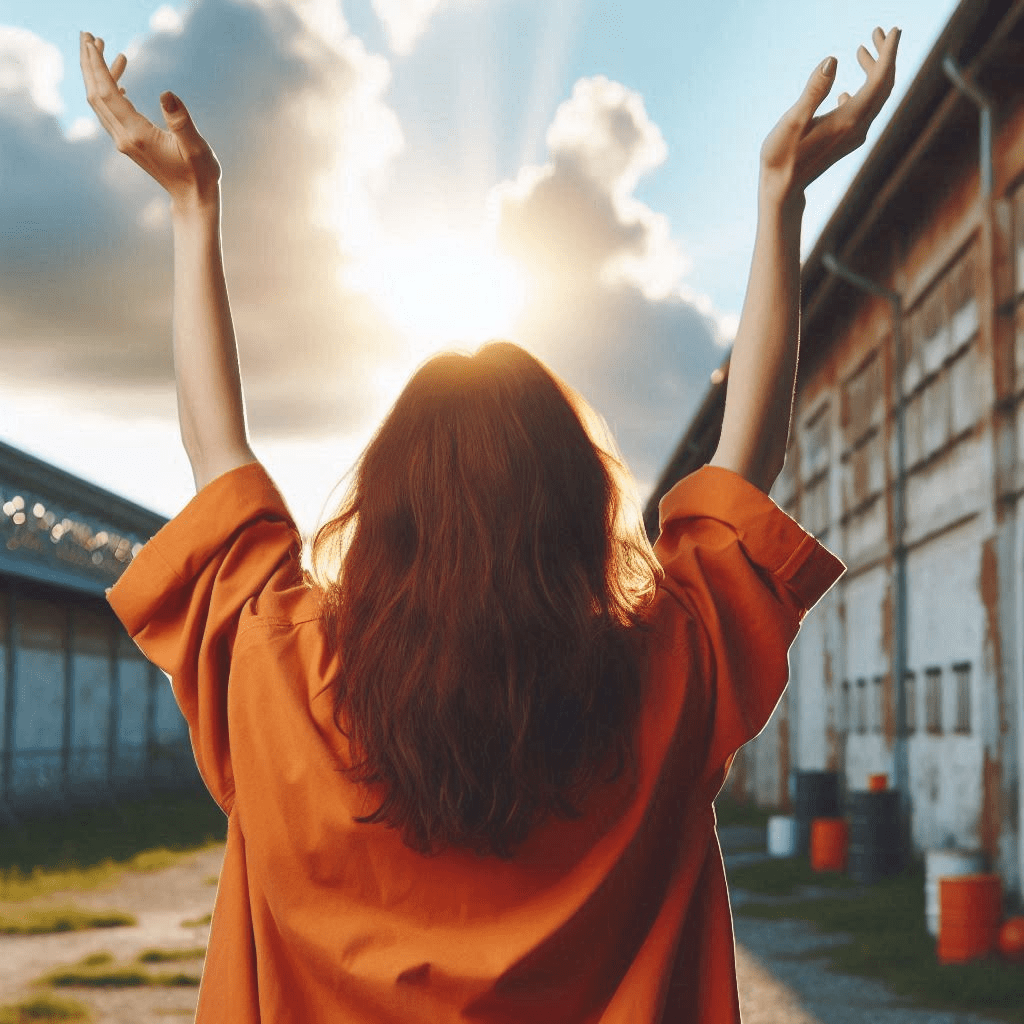
Fast forward thirty years, and I found myself incarcerated with women who, by all accounts, should have no interest in religion. The common perception is that prison equates to evil, suggesting a pervasive presence of negativity. However, I was astonished to discover that prison was one of the most spiritual places I had ever been. In a place where hope seemed lost, where lives were disrupted, and where families and friends had often abandoned them, religion provided a beacon of hope.
In prison, no one was judged for reading faith-based books or attending religious services. Whether it was Catholic, Christian, Seventh-day Adventist, or Muslim services, women attended to find solace and hope. For many, God was the only source of hope they had left.
One afternoon, while sitting under a tree, a woman mentioned she was going to Catholic services to partake in communion. This sparked a conversation about our diverse religious beliefs, and someone remarked, “I have never felt the spirit more strongly than I feel it here.” It wasn’t about a specific religion; it was about the freedom to worship in a way that brought hope, without judgment. Watching TBN or spending hours reading scriptures was respected and understood as a necessity during that time in our lives.
I realize that many people leave prison and never attend church or read the Bible again. But for some, the experience is transformative. Their transformation behind prison fences may inspire others, creating a chain of hope that extends beyond the prison walls. Access to a variety of religious materials in prison is as crucial as educational resources. It was the key to my success, and I witnessed its impact on many women. If my life was changed, imagine how many others could be transformed with access to religious materials.
How can we ensure that prisons continue to receive a diverse range of religious materials? Have you ever experienced spiritual influence in an unexpected place?
 B2tRUE