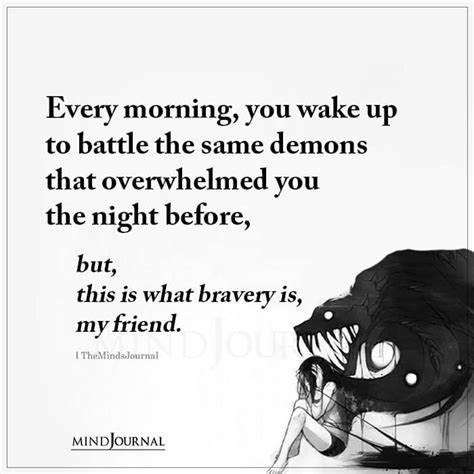
Scars

The other day, I was listening to random songs on a music streaming app when a familiar one came on. As I sang along, I paid closer attention to the lyrics โ€” being present is my new thing, after all. One line caught me: โ€œI got a scar I can talk about.โ€

That lyric made me think about my own scars. First the physical ones, then the mental ones, and finally the life moments that have shaped me into someone different than I was before.


Physical Scars

Iโ€™ve only had two surgeries in my life: an appendectomy and bunion surgery. Both scars have healed, but every time I see them, Iโ€™m reminded of the pain before, the pain after, and how necessary those difficult days were to reach the comfort I feel now. Theyโ€™re small reminders that healing hurts โ€” but itโ€™s worth it.


Mental Scars

Iโ€™ve had a pretty darn good life. I grew up in a loving, close family. Iโ€™ve always had friends. I was raised with warmth and support. But even with a good life, certain moments leave marks.

One of my earliest mental scars came from a friend who told me she couldnโ€™t be my friend anymore โ€” for no reason at all. It took me forty years to understand that her actions had nothing to do with me. People donโ€™t intentionally exclude me. How others treat you and what they say about you is a reflection of them, not you.

Another scar came from a relationship that made me feel like I was losing my mind. I became convinced I wasnโ€™t normal, that something was wrong with me. I wanted so badly to be โ€œnormalโ€ โ€” to communicate well, to live without constant stress. In my search for clarity, I went to therapy. One day my therapist said, โ€œThere is nothing wrong with you. You are the most normal patient I have ever had.โ€

WOW.
You mean Iโ€™m not the angry one?
Iโ€™m not the one who canโ€™t communicate?
That relationships arenโ€™t 50/50 โ€” theyโ€™re 100/100?

A few days later, I was being yelled at for being angry when I hadnโ€™t expressed any emotion at all. I mentally stepped outside the moment, watching it like a fly on the wall. He was telling me how I felt โ€” but how could he know? I was the only one who could name my feelings. And in that moment, I wasnโ€™t angry. I wasnโ€™t upset. I was calm.

Yet there he was, red-faced, nearly exploding, desperate to provoke a reaction.

From that moment on, no one gets to tell me how I feel.


Life-Changing Moments

Have you ever been told youโ€™re not the same person you used to be? Have you ever felt it yourself?

In my early thirties, a friend moved in with me for a few months. She was an alcoholic. I had never lived with someone struggling like that. Watching her destructive behavior changed me. I remember sitting on my back porch wondering why I felt different โ€” why I wasnโ€™t as happy or giggly anymore. Seeing my best friend nearly kill herself forced me to grow up fast.

The next life-changing moment happened four years ago today. I had woven myself into so many lies and dug myself into so many holes that I finally hit rock bottom. At the time, I wanted nothing more than to disappear. I fantasized about my death and how people would react. But then I realized I would cause far more pain by leaving than by facing my demons and accepting the consequences I deserved.

So I made a commitment:
To start over.
To be 100% true to myself and to everyone around me.

I read over 200 books. I studied religious books. I watched people transform their lives and become honest with themselves. And I followed that path.


tRUE

The word tRUE became my motto โ€” a blend of true and rue.

  • True: Something that matches reality; genuine, accurate, loyal.
  • Rue: To feel sorrow, remorse, or regret about an action.

Because I felt deep remorse for my past actions, I promised myself I would be real and genuine moving forward.

And I have kept that promise.

I am not the same person I was four years ago โ€” thank goodness. During the hardest two and a half years, I kept daily journals. I still reread them to remind myself of my struggles and my growth. Every action Iโ€™ve taken since then has been intentional. I understand the consequences of my choices. I allow myself to be different from others. I allow myself to be imperfect.

And I have never been happier being 100% tRUE.

Understanding Vanity, Ego, and Genuine Self-Acceptanceย 

Stepping outside, I am greeted by the unmistakable sound of a middle-aged woman singing karaoke in her garage across the street. Her voice echoes through the neighborhood, and I can’t help but wonder if she realizes how far her performance carries. Does she know the entire block can hear her? Perhaps she believes she has real talent; after all, don’t we all tend to overestimate our own abilities? 

We often claim to be humble, yet secretly, we are convinced that others are constantly talking about us. There is a persistent belief that everyone cares deeply about our appearance at any given moment. The reality, however, is much different: people are primarily concerned with themselves. Our egos drive us to think we are the center of attention, reminiscent of the famous song lyric, โ€œYouโ€™re so vain, you probably think this song is about you.โ€ 

Itโ€™s almost comical how we imagine that every person in the grocery store is waiting for us to arrive, eager to see our outfit and how we styled our hair and makeup. We act as if we are the reason everyone else decided to get out of bed that morning. This mindset is clearly unrealistic, yet it persists. 

Reflecting on childhood, it becomes apparent that our priorities were once different. Comfort was paramount; the only concern about an outfit was whether it allowed us to climb the jungle gym or jump rope with ease. At some point, though, we are taught to become more self-conscious, convinced that we are on a pedestal and everyone is watching, judging what we wear, say, and do. 

Unless we are professional athletes or movie stars, the truth is that most people do not care about us or our choices. This begs the question: why do we care so much about celebrities? Perhaps it is because we compare ourselves to them, building them up only to tear them down. By highlighting their flaws, we make ourselves feel better, forgetting that their success is the result of hard work and determinationโ€”qualities we may not have been willing to pursue ourselves. 

Yet, beneath this fascination with others, there lies a missed opportunity to redirect our attention inward and cultivate genuine self-acceptance. Instead of fixating on the perceived gaze of the world or the exploits of distant celebrities, we might find greater peace by embracing our own quirks and imperfections. Imagine the freedom in living authentically, without the weight of imagined scrutiny or the urge to measure up to standards set by strangers. In learning to release these self-imposed expectations, we open space for more meaningful connectionsโ€”with ourselves and those around usโ€”rooted not in comparison, but in understanding and appreciation. 

By letting go of the illusion that we are constantly under a spotlight, we start to recognize the value of quieter moments and the richness of everyday experiences. The truth is, when we release the pressure to perform for an imaginary audience, we grant ourselves permission to make choices that are true to our desires rather than dictated by external expectation. In this space, self-worth becomes less about comparison and more about authenticity, allowing us to nurture a confidence that isnโ€™t dependent on fleeting validation but is rooted in genuine self-respect and personal growth. 

Embracing Authenticityย 

In recent months, I have made a conscious effort to apply these reflections to my own life. Choosing to let go of the pressure to conform to othersโ€™ expectations has been an incredibly liberating experience. This newfound freedom has allowed me to focus more deeply on the person I truly want to become, rather than shaping myself according to what others might desire or expect from me. By centering my actions and self-perception on my own values, I am gradually discovering a more genuine sense of self and purpose. 

The Criteria to Making Good Choices

Success, in its truest sense, is not a matter of luck or mere circumstanceโ€”it is the culmination of the choices we make, day in and day out. Each decision is a thread that weaves into the tapestry of our lives, shaping our actions and, ultimately, our results. Yet, despite this fundamental truth, we often find ourselves grappling with less-than-optimal choices, wondering why our intentions and our actions fail to align. To answer this, we must dig beneath the surface, exploring the biases, influences, and inner narratives that subtly steer us away from our best interests. The journey to making good choices is both an art and a scienceโ€”one that requires self-awareness, discipline, and an ongoing commitment to personal growth.

The Foundations of Choice

At its core, every choice is an intersection of opportunity and intention. We are presented with countless decisions daily, from the trivialโ€”what to eat for breakfastโ€”to the profoundโ€”whom to trust, which career path to pursue, or what values to uphold. The results of these choices, compounded over time, form the architecture of our lives. It is often said, โ€œWe are what we repeatedly doโ€; perhaps more accurately, we are what we repeatedly choose.

But why donโ€™t we always make the choices that serve us best? To answer this, we must first understand the three pillars that underlie every good decision: awareness, discipline, and alignment.

1. Awareness: The Power of Conscious Choice

Good choices begin with awareness. This is not mere knowledge of the options before us, but a heightened consciousness of ourselvesโ€”our motives, beliefs, and the stories we tell ourselves. Without awareness, we operate on autopilot, letting habits, impulses, and unconscious biases dictate our actions.

  • Conscious Decision-Making: Make an effort to pause and examine the motives behind your decisions. Ask yourself, โ€œWhy am I making this choice? What is driving me?โ€
  • Upgrading Identity and Belief Systems: Our choices are only as good as our self-perception permits. If we see ourselves as unworthy, incapable, or stuck in old narratives (“I always fail at this,” “I’m not good with money,” etc.), our decisions will mirror these limiting beliefs. The path to better choices, then, often begins with rewriting our internal scripts. Cultivate a growth mindset and reinforce positive self-beliefs.
  • Recognizing Biases and Influences: We are influenced by cognitive biasesโ€”confirmation bias, anchoring, loss aversion, and moreโ€”that distort our view of reality. Social pressures, cultural norms, and even fatigue can cloud our judgment. Becoming aware of these forces arms us with the power to question them and choose more wisely.

Awareness is an ongoing practice. Journaling, mindfulness meditation, and honest self-reflection are invaluable tools for cultivating it. By regularly examining both our motivations and the external influences at play, we increase the odds of making choices that are authentically ours.

2. Discipline: Bridging the Gap Between Knowing and Doing

Often, the trouble is not that we lack knowledge of the right choice, but that we lack the will to act on it. This is where discipline comes in. Discipline is the bridge between intention and actionโ€”the force that compels us to act in accordance with our highest values, even when motivation wanes.

  • Managing Physical State: Our bodies are the vehicles through which choices are enacted. When we are tired, malnourished, or physically depleted, our willpower is compromised. Prioritizing sleep, nutrition, exercise, and rest creates a foundation for better decision-making.
  • Caring for Emotional Well-Being: Emotional neglect erodes discipline. If we are stressed, anxious, or emotionally exhausted, we are more likely to reach for comfort in the form of easy, short-term choices. Regular emotional check-ins, social connection, and, when needed, professional support, are critical for sustaining discipline.
  • Building Habits and Routines: Discipline is easier when good choices are habitual. Ritualize the actions that serve youโ€”set specific times for exercise, meal preparation, or focused work sessions. Habits automate discipline, reducing the mental energy required to make each decision.

Discipline does not mean living a life devoid of pleasure or spontaneity. Instead, it is about aligning your actions with your long-term goals, evenโ€”and especiallyโ€”when it is inconvenient.

3. Alignment: Ensuring Choices Reflect Values and Priorities

Good choices are not made in a vacuum. They spring from the soil of our values and priorities. When our decisions are out of sync with what truly matters to us, we experience inner conflict and dissatisfaction.

  • Clarify Your Values: Take time to identify what is most important to you. Is it health? Connection? Creativity? Security? Once your values are clear, use them as a compass for your decisions.
  • Set Clear Goals: Good choices are made easier when you have defined targets. Break down big goals into actionable steps, and measure your choices against these benchmarks.
  • Anticipate Trade-Offs: Every choice involves a trade-off. By weighing the pros and cons, and considering both short-term and long-term consequences, you can make decisions that truly serve your best interests.

Alignment is the harmony between your internal world (values, beliefs) and your external actions. When the two are synchronized, your choices become powerful vehicles for personal fulfillment and success.

Overcoming Obstacles to Good Choices

Even with awareness, discipline, and alignment, we encounter obstacles on the path to good choices. These can include:

  • Decision Fatigue: The more choices we make, the more our ability to make optimal decisions erodes. Simplify your environment by automating trivial decisions, delegating where possible, and focusing your energy on what matters most.
  • Fear of Regret or Failure: The anxiety of making the “wrong” choice can lead to paralysis. Remind yourself that very few choices are truly irreversible. Embrace experimentation, learn from setbacks, and view every decision as a chance to grow.
  • Perfectionism: Waiting for the perfect option often leads to inaction. Instead, aim for progress, not perfection. Sometimes, a good-enough choice, made in a timely manner, is far better than the elusive perfect one made too late.

Practical Tools for Better Decision-Making

To consistently make good choices, integrate these practical strategies into your daily life:

  • The Pause Principle: Before making a significant choice, pause. Take a breath, reflect, and resist the urge to react impulsively. This brief moment of mindfulness can prevent countless regrets.
  • Pros and Cons List: A classic tool, listing the advantages and disadvantages of each option can clarify complex decisions.
  • Seek Diverse Perspectives: Consult with trusted friends, mentors, or professionals. Others can spot blind spots and biases you may have missed.
  • Visualize Outcomes: Imagine the possible consequences of each choiceโ€”how will you feel tomorrow, in a week, or a year from now? This future perspective can often highlight the wisest path.
  • Commit to Continuous Learning: Every choice is an opportunity to learn. Reflect on outcomes, adjust your approach, and celebrate both your successes and your growth.

The Journey of Choosing Well

Making good choices is a lifelong journey, not a destination. It is a practice refined by experience, reflection, and the courage to face ourselves honestly. When we nurture awareness, cultivate discipline, and align our choices with our truest values, we transform the ordinary act of choosing into an extraordinary force for success and fulfillment.

Remember, the quality of your life is determined not by the few dramatic decisions you make, but by the thousands of small, everyday choices. Make each one count, and success will follow as the natural product of those daily decisions.

The Psychological Effect of Your Companions on Your Behavior

How Your Social Circle Shapes Who You Become

The influence of the people you spend the most time with is profound and cannot be underestimated. Our social interactions play a significant role in molding our behaviors, attitudes, and ultimately, our identities. The concept that we are the average of the five people we spend the most time with underscores the importance of choosing our companions wisely. This blog post explores the psychological effects of your social circle, demonstrating how their habits and behaviors shape your own.

Social Influence and Behavioral Mirroring

Humans are inherently social creatures, and we often mirror the behaviors, attitudes, and lifestyles of those around us. This phenomenon, known as social influence, can be observed in various aspects of life. Behavioral mirroring is a subconscious act where we emulate the actions of those in our social circle. For example, if your friends prioritize fitness and regularly exercise, you are more likely to adopt similar habits, integrating physical activity into your routine.

Conversely, if your companions engage in less healthy behaviors such as excessive drinking and partying, you may find yourself drawn into these activities. The power of social influence can lead to significant changes in your lifestyle, for better or worse.

The Impact of Positive Habits

Positive habits are contagious. When surrounded by individuals who embrace healthy and productive routines, you are more likely to follow suit. This can manifest in various ways:

  • Exercise: Being around friends who exercise regularly makes you more likely to join them in their fitness endeavors. This collective motivation can help you stay consistent and achieve your fitness goals.
  • Healthy Eating: If your companions are conscious of their diet and make healthy food choices, you are more likely to adapt similar eating habits, leading to better overall health.
  • Productivity: Spending time with people who are goal-oriented and productive can inspire you to set and achieve your own objectives, fostering a sense of accomplishment and growth.

The Consequences of Negative Habits

While positive habits can elevate your lifestyle, negative habits can have the opposite effect. The desire to fit in and be accepted can sometimes lead to adopting detrimental behaviors:

  • Substance Abuse: If your social circle frequently indulges in drinking or drug use, you may feel pressured to partake in these activities, increasing the risk of developing addiction.
  • Procrastination: Surrounding yourself with individuals who lack motivation and procrastinate can weaken your own drive and hinder your progress in personal and professional endeavors.
  • Unhealthy Lifestyle Choices: If your friends choose other options over health, you may neglect important aspects of self-care, leading to long-term negative consequences.

The Role of Emotional Support

The psychological impact of your social circle extends beyond habits and behaviors; it also encompasses emotional support. The people you spend the most time with can significantly influence your mental well-being. Positive, supportive relationships can provide a sense of security, boost your confidence, and help you navigate life’s challenges.

Conversely, toxic relationships and negative interactions can erode your self-esteem, increase stress levels, and contribute to mental health issues such as anxiety and depression. It is crucial to cultivate relationships that offer genuine support and encourage your personal growth.

Strategies for Cultivating a Positive Social Circle

Given the profound influence of your social circle, it is essential to be intentional about the company you keep. Here are some strategies to cultivate a positive social environment:

  • Identify Your Values: Understand your core values and seek relationships that align with them. Surround yourself with people who share your goals and aspirations.
  • Set Boundaries: Establish boundaries to protect yourself from negative influences. Be mindful of the impact of toxic relationships and take steps to distance yourself from them.
  • Seek Positive Role Models: Look for individuals who inspire you and demonstrate the qualities you wish to embody. Engage with mentors and peers who can guide you towards positive growth.
  • Be a Positive Influence: Strive to be a positive influence in your social circle. Your actions can inspire others to adopt healthier and more productive habits.

Conclusion

In conclusion, the psychological effect of the people you spend the most time with is undeniable. Your social circle shapes your behaviors, attitudes, and overall well-being. By cultivating relationships that promote positive habits, provide emotional support, and align with your values, you can enhance your quality of life and achieve personal growth. Be mindful of the influence of your companions and choose to surround yourself with individuals who uplift and inspire you.

The Enduring Nature of Love

Love Through Different Seasons

Love is a force that adapts and flourishes through the various seasons of life. In our youth, love often manifests as an exciting adventure, filled with the thrill of new discoveries and the promise of endless possibilities. As we mature, love deepens, evolving into a steadfast commitment that weathers the storms of life and stands resilient in the face of challenges.

In the early years of a relationship, love is often characterized by passion and intensity. These moments are precious, as they lay the foundation for a bond that will grow stronger over time. As we embark on new journeys, whether it be pursuing careers, building a home, or raising a family, our love transforms, becoming a source of support and stability.

As we navigate through the middle years, love takes on a different hue, one marked by understanding and mutual respect. The shared experiences and memories create a tapestry rich with meaning, and our connection becomes a refuge from the world’s chaos. During this time, love is not just a feeling but an actionโ€”a daily choice to cherish, nurture, and uplift one another.

In the later stages of life, love becomes a testament to endurance and grace. It is a quiet strength that provides comfort and solace, a gentle reminder that we are not alone. The love between partners who have walked a long path together is a beautiful testament to the power of commitment and the joy found in companionship.

No matter the season, love remains the constant thread that weaves through the fabric of our lives. It adapts and grows, reflecting the changes we undergo and the experiences we share. It is an anchor that keeps us grounded, a light that guides us, and a force that inspires us to become better versions of ourselves.

As we continue our journey, may we always find ways to celebrate and honor the love we share, recognizing that it is the most precious gift we can give and receive.

A Side Note For My Loved Ones

Throughout my life I have transitioned from high school to college; from being single to being married; from spending time with friends to raising children. There are times I have altered my habits, thereby changing my activities and companions. Although the time we spend together may diminish, my affection for you does not wane. In fact, my love for you grows with each passing day, and my longing for you is beyond what words can express. I sincerely hope that we may soon reconnect and forge new memories to add to those I already hold dear in my heart.

Holding the Line: Loyalty and Change at ASU Baseball

After five years as the ASU Men’s Baseball Team Manager, I transitioned into the role of Administrative Assistant to the head coach. This role was meant to keep me involved in the university’s baseball program, with the goal of eventually working my way up into the front offices of the baseball world. However, shortly after returning from the College World Series in Omaha, Nebraska, our head coach passed away after a battle with liver cancer. He was my mentor, my advocate, and the most influential person in my life up to that point.

Suddenly, I was thrown into the midst of running an athletic office, while only familiar with the on-field processes. The university began searching for a new head coach immediately. I was convinced one of our assistant coaches would be promoted. Bill Kinneberg was a strong contender, though his status as an alumni of our rival, University of Arizona, made him a less-popular choice with the hiring committee. Despite his three years as our pitching coach, the prestigious head coach position was not decided by the previous coaching staff.

Within a couple of weeks, the new hire was announced: Pat Murphy from Notre Dame. He was young, enthusiastic, and eager to start. The athletic department was excited about their decision, and Coach Murphy arrived the very next day. However, the existing coaching staff was less thrilled, a sentiment I did not fully understand until I began working under him. Murphy was arrogant and constantly boasted about his connections and plans to change ASU baseball.

The problem was, ASU Baseball was already the most prestigious NCAA Division I baseball program, with a long list of alumni who had made it to the Big Leagues. Murphyโ€™s desire to change the program seemed unnecessary, but he wasted no time in doing so. Within a week, he had fired the entire coaching staff. I was the only familiar face left in the baseball program. I felt indispensable, as Murphy needed my help to navigate the procedures, introduce him to the players, and show him the facilities.

Despite my administrative role, I longed to be back on the field, where I thrived and stood out among my peers. My true talents lay in setting up batting stations, compiling statistics, and tracking spray charts. I was the one who kept the dugout running smoothly during practices and games. Fans, boosters, sports writers, alumni, umpires, and players relied on me as Packard Stadium’s curator. I was not meant to sit at a desk on the fifth floor of the ICA Building, dressed in business attire and working behind the scenes.

Murphy did not like my close relationships with the players and the Brock Family. He wanted me to be impartial and loyal solely to him and his new crew. This was difficult, as I bled maroon and gold, while they still had Fighting Irish running through their veins.

During that first week, I fielded phone calls from legendary athletes like Brian Urlacher and Pat Leahy. Murphy always took calls from famous people, while everyone else received a message of, “He’s not available right now. Can I leave him a message?” His overconfidence was too much, and I never felt comfortable in his presence. I wanted things to be the way they had always been-classic Sun Devil Baseball heritage and pride. The common joyful exchange between players, coaches and fans. A commitment to excellence for the programโ€™s sake, not a personal pedestal to become self-important.

To be continued in next weekโ€™s blog post

Finding Bravery in a New World

A Journey of Healing and Reconnection

Finding myself piecing my life back together after spending 25 months incarcerated has been a profound journey. During that time, besides handwritten letters, I had very little contact with the outside world. Only a handful of people went through the hassle to sign up to email me. Among them, my fiancรฉ and daughter stood out, as they underwent background checks and paid fees to talk to me on the phone and visit me in person.

Upon my release, there was a sudden influx of people wanting to reconnect and talk to me. However, I needed time to process what I had been through and work towards normalcy as soon as possible. There were numerous tasks that required my immediate attentionโ€”taking classes, finding a job, resuming bill payments, cleaning out my email account, among others. I needed to muster courage and adapt to the new world around me. Furthermore, I was nervous about how people would treat me.

Now, after 13 months, I find myself still struggling to resume many relationships. The shadow of my past looms over conversations, and I often avoid talking about what happened to me. My focus lies in savoring the moments of today and prioritizing what truly mattersโ€”my family.

A couple of months ago, I experienced an uncomfortable phase where I deeply missed the friends I made while in prison and the bonds forged with fellow inmates. We were like family, and many of those women are dear to me, leaving lasting impressions on my life. There are some whom I would love to see again someday. We shared a unique understanding of each other’s struggles, an empathy that no one else could grasp.

This journey has been about finding bravery amidst challenges, nurturing the relationships that mean the most, and embracing today with a hopeful heart.

The Cowgirl

I often bragged to my classmates that I was a โ€œtrueโ€ cowgirl because I was born in Wyoming and named after my uncleโ€™s horse. That certainly qualified me, right? Inevitably, I would be the best horse rider if given a chance. In fact, one Sunday after church I naively decided to assess my novice riding skills on our neighborโ€™s horse, Cloudy. She was a young, gentle, smaller horse that let me pet her whenever I wanted. Her coat was steel gray, with patches of white, emulating clouds. Much to my surprise, she did not approve when I walked her next to the fence and jumped on her bareback. She immediately bucked me off into the gravel where I had the wind knocked out of me for at least 10 seconds. I do not exactly remember what happened next, but the line of events led to getting my first (and only) belt spanking. I always assumed the stiff punishment was a result of riding a horse on the Sabbath. It was more likely because I tried to ride a horse that did not belong to me without permission.

Year 2: The Path to My Authentic Self

Over the past year, I have documented my journey from a low point to discovering a brighter future. While my story may not be miraculous, it is sincere and intended to inspire others to persevere, even when the end seems out of reach.

As I conclude the first year of sharing my experiences, I am committed to maintaining authenticity with myself and my audience. It is crucial for my readers to understand that their struggles do not define them negatively as individuals. Most importantly, I want people to recognize that each day presents a new opportunity for change. Regardless of one’s circumstances, transformation is possible. I have witnessed individuals transition from incarceration and homelessness to homeownership. Though it may seem implausible, there are countless stories of remarkable personal turnarounds. I aspire to be one of those stories. By sharing my journey, along with the courageous stories of those I have met along the way, I aim to encourage others to embrace their true selves as I navigate the challenges of transitioning from inauthenticity to self-acceptance.

I invite you to join me as I embark on the second year of what I consider an extraordinary life.

Becoming Brave and Assertive in Tough Situations

One of the greatest areas of personal growth I experienced was learning to let go of what others thought of me. Initially, I was overly cautious about everything I did and said. I was terrified to speak up for myself, convinced that everyone was judging me constantly.

A defining moment of bravery and assertiveness occurred one day while I was standing in the medication line. The line would start forming an hour before the nurses arrived to dispense medication. By the time the nurses got there, the line stretched to 100-150 peopleโ€”everyone took medication in prison! One afternoon, with nothing better to do, I ensured my spot was around number 15. The weather was perfect, and I was practicing patience.

After standing in line for over 45 minutes, the nurses finally arrived, and the line ahead of me suddenly doubled. I found myself around number 50. Though irritated, I was initially too afraid to say anything. These girls were tough, unafraid to start a fight, many of them with serious personality disorders and anger issues.

When the girl in front of me let four other ladies cut in line, Iโ€™d had enough. I spoke up, reminding them there was no cutting. The lady laughed it off, but I persisted. โ€œIโ€™ve been standing here for 45 minutes while these girls slept, smoked, and went about their day. If they want to be at the front, they need to arrive early like I did,โ€ I said calmly.

Though the girl hurled profanities, I stood my ground. โ€œIf you want to let your friends cut in front of me, youโ€™ll have to do it behind me,โ€ I insisted, moving ahead of them in line. Despite the cussing, they didnโ€™t try to touch me physically. Soon, everyone else in line started praising my bravery and told the lady that her group had to move behind them as well. Despite my fear of confrontation, I stood my ground and defended myself and others who were being wronged. A few days later, that same lady approached me in line to apologize.

Over time, I began to shed my shyness and fear of those around me. However, entering a new environment would often trigger my retreat back into a quiet, unassertive person, allowing others to walk all over me. After about a year, my timidity diminished. I became braver and gradually rid myself of the shyness that had plagued me all my life. Suddenly, I was no longer afraid to speak my mind, ask for what I needed, or express what bothered me. I found ways to approach people in a non-confrontational manner, maintaining kindness and earning respect in return.

Being surrounded by a diverse group of people for such an extended period completely transformed me. I observed others being their authentic selves, unafraid of judgment. Conversely, I saw people who conformed to those around them, losing their authenticity and looking ridiculous as a result. I longed to tell them to be themselves because mimicking someone else rarely resulted in a favorable outcome.

Bravery and assertiveness are crucial skills that can transform challenging situations into opportunities for growth and resolution. Whether you’re navigating a difficult conversation, standing up for yourself, or making a tough decision, these qualities can make a significant difference in your personal and professional life. Here’s how you can cultivate bravery and assertiveness:

Understanding Bravery and Assertiveness

  • Bravery is not the absence of fear, but the willingness to act despite it. It involves taking risks, facing uncertainty, and embracing vulnerability.
  • Assertiveness is the ability to express your thoughts, feelings, and needs confidently and respectfully. Itโ€™s about standing up for yourself while also considering the perspectives and rights of others.

Steps to Become Braver and More Assertive

  1. Self-Reflection
    • Understand your fears and what triggers them. Reflect on past experiences where you felt brave or assertive and identify what helped you in those moments.
  2. Set Clear Boundaries
    • Know your limits and communicate them clearly. Being assertive means respecting your own boundaries as well as others’.
  3. Practice Self-Compassion
    • Treat yourself with kindness and recognize that it’s okay to make mistakes. Self-compassion can boost your confidence and resilience.
  4. Communicate Effectively
    • Use โ€œIโ€ statements to express your thoughts and feelings. For example, “I feel [emotion] when [situation]” instead of blaming others.
  5. Face Your Fears Gradually
    • Start small and gradually take on bigger challenges. Each small victory will build your confidence and bravery over time.
  6. Visualize Success
    • Picture yourself handling tough situations with confidence and calm. Visualization can prepare your mind for real-life scenarios.
  7. Seek Support
    • Surround yourself with supportive people who encourage and believe in you. Sometimes, having a strong support system can make all the difference.
  8. Stay Grounded
    • Practice mindfulness and grounding techniques to stay present and focused during tough situations. This can help you remain calm and collected.

Embracing Challenges

Being brave and assertive doesnโ€™t mean you wonโ€™t feel fear or anxiety. It means you acknowledge these feelings and move forward anyway. Each time you choose bravery and assertiveness, you strengthen these muscles, making it easier to handle tough situations in the future. Remember, growth often comes from stepping outside your comfort zone.

Embrace the journey, celebrate your progress, and keep pushing forward. You have the power within you to face any challenge with courage and confidence.

I hope this helps inspire you to tackle tough situations with bravery and assertiveness! If you have any specific scenarios please share! I want to hear your stories.