Scars

The other day, I was listening to random songs on a music streaming app when a familiar one came on. As I sang along, I paid closer attention to the lyrics โ€” being present is my new thing, after all. One line caught me: โ€œI got a scar I can talk about.โ€

That lyric made me think about my own scars. First the physical ones, then the mental ones, and finally the life moments that have shaped me into someone different than I was before.


Physical Scars

Iโ€™ve only had two surgeries in my life: an appendectomy and bunion surgery. Both scars have healed, but every time I see them, Iโ€™m reminded of the pain before, the pain after, and how necessary those difficult days were to reach the comfort I feel now. Theyโ€™re small reminders that healing hurts โ€” but itโ€™s worth it.


Mental Scars

Iโ€™ve had a pretty darn good life. I grew up in a loving, close family. Iโ€™ve always had friends. I was raised with warmth and support. But even with a good life, certain moments leave marks.

One of my earliest mental scars came from a friend who told me she couldnโ€™t be my friend anymore โ€” for no reason at all. It took me forty years to understand that her actions had nothing to do with me. People donโ€™t intentionally exclude me. How others treat you and what they say about you is a reflection of them, not you.

Another scar came from a relationship that made me feel like I was losing my mind. I became convinced I wasnโ€™t normal, that something was wrong with me. I wanted so badly to be โ€œnormalโ€ โ€” to communicate well, to live without constant stress. In my search for clarity, I went to therapy. One day my therapist said, โ€œThere is nothing wrong with you. You are the most normal patient I have ever had.โ€

WOW.
You mean Iโ€™m not the angry one?
Iโ€™m not the one who canโ€™t communicate?
That relationships arenโ€™t 50/50 โ€” theyโ€™re 100/100?

A few days later, I was being yelled at for being angry when I hadnโ€™t expressed any emotion at all. I mentally stepped outside the moment, watching it like a fly on the wall. He was telling me how I felt โ€” but how could he know? I was the only one who could name my feelings. And in that moment, I wasnโ€™t angry. I wasnโ€™t upset. I was calm.

Yet there he was, red-faced, nearly exploding, desperate to provoke a reaction.

From that moment on, no one gets to tell me how I feel.


Life-Changing Moments

Have you ever been told youโ€™re not the same person you used to be? Have you ever felt it yourself?

In my early thirties, a friend moved in with me for a few months. She was an alcoholic. I had never lived with someone struggling like that. Watching her destructive behavior changed me. I remember sitting on my back porch wondering why I felt different โ€” why I wasnโ€™t as happy or giggly anymore. Seeing my best friend nearly kill herself forced me to grow up fast.

The next life-changing moment happened four years ago today. I had woven myself into so many lies and dug myself into so many holes that I finally hit rock bottom. At the time, I wanted nothing more than to disappear. I fantasized about my death and how people would react. But then I realized I would cause far more pain by leaving than by facing my demons and accepting the consequences I deserved.

So I made a commitment:
To start over.
To be 100% true to myself and to everyone around me.

I read over 200 books. I studied religious books. I watched people transform their lives and become honest with themselves. And I followed that path.


tRUE

The word tRUE became my motto โ€” a blend of true and rue.

  • True: Something that matches reality; genuine, accurate, loyal.
  • Rue: To feel sorrow, remorse, or regret about an action.

Because I felt deep remorse for my past actions, I promised myself I would be real and genuine moving forward.

And I have kept that promise.

I am not the same person I was four years ago โ€” thank goodness. During the hardest two and a half years, I kept daily journals. I still reread them to remind myself of my struggles and my growth. Every action Iโ€™ve taken since then has been intentional. I understand the consequences of my choices. I allow myself to be different from others. I allow myself to be imperfect.

And I have never been happier being 100% tRUE.

The Psychological Effect of Your Companions on Your Behavior

How Your Social Circle Shapes Who You Become

The influence of the people you spend the most time with is profound and cannot be underestimated. Our social interactions play a significant role in molding our behaviors, attitudes, and ultimately, our identities. The concept that we are the average of the five people we spend the most time with underscores the importance of choosing our companions wisely. This blog post explores the psychological effects of your social circle, demonstrating how their habits and behaviors shape your own.

Social Influence and Behavioral Mirroring

Humans are inherently social creatures, and we often mirror the behaviors, attitudes, and lifestyles of those around us. This phenomenon, known as social influence, can be observed in various aspects of life. Behavioral mirroring is a subconscious act where we emulate the actions of those in our social circle. For example, if your friends prioritize fitness and regularly exercise, you are more likely to adopt similar habits, integrating physical activity into your routine.

Conversely, if your companions engage in less healthy behaviors such as excessive drinking and partying, you may find yourself drawn into these activities. The power of social influence can lead to significant changes in your lifestyle, for better or worse.

The Impact of Positive Habits

Positive habits are contagious. When surrounded by individuals who embrace healthy and productive routines, you are more likely to follow suit. This can manifest in various ways:

  • Exercise: Being around friends who exercise regularly makes you more likely to join them in their fitness endeavors. This collective motivation can help you stay consistent and achieve your fitness goals.
  • Healthy Eating: If your companions are conscious of their diet and make healthy food choices, you are more likely to adapt similar eating habits, leading to better overall health.
  • Productivity: Spending time with people who are goal-oriented and productive can inspire you to set and achieve your own objectives, fostering a sense of accomplishment and growth.

The Consequences of Negative Habits

While positive habits can elevate your lifestyle, negative habits can have the opposite effect. The desire to fit in and be accepted can sometimes lead to adopting detrimental behaviors:

  • Substance Abuse: If your social circle frequently indulges in drinking or drug use, you may feel pressured to partake in these activities, increasing the risk of developing addiction.
  • Procrastination: Surrounding yourself with individuals who lack motivation and procrastinate can weaken your own drive and hinder your progress in personal and professional endeavors.
  • Unhealthy Lifestyle Choices: If your friends choose other options over health, you may neglect important aspects of self-care, leading to long-term negative consequences.

The Role of Emotional Support

The psychological impact of your social circle extends beyond habits and behaviors; it also encompasses emotional support. The people you spend the most time with can significantly influence your mental well-being. Positive, supportive relationships can provide a sense of security, boost your confidence, and help you navigate life’s challenges.

Conversely, toxic relationships and negative interactions can erode your self-esteem, increase stress levels, and contribute to mental health issues such as anxiety and depression. It is crucial to cultivate relationships that offer genuine support and encourage your personal growth.

Strategies for Cultivating a Positive Social Circle

Given the profound influence of your social circle, it is essential to be intentional about the company you keep. Here are some strategies to cultivate a positive social environment:

  • Identify Your Values: Understand your core values and seek relationships that align with them. Surround yourself with people who share your goals and aspirations.
  • Set Boundaries: Establish boundaries to protect yourself from negative influences. Be mindful of the impact of toxic relationships and take steps to distance yourself from them.
  • Seek Positive Role Models: Look for individuals who inspire you and demonstrate the qualities you wish to embody. Engage with mentors and peers who can guide you towards positive growth.
  • Be a Positive Influence: Strive to be a positive influence in your social circle. Your actions can inspire others to adopt healthier and more productive habits.

Conclusion

In conclusion, the psychological effect of the people you spend the most time with is undeniable. Your social circle shapes your behaviors, attitudes, and overall well-being. By cultivating relationships that promote positive habits, provide emotional support, and align with your values, you can enhance your quality of life and achieve personal growth. Be mindful of the influence of your companions and choose to surround yourself with individuals who uplift and inspire you.

Humility

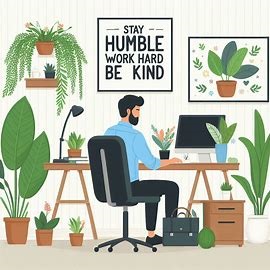
Let your work speak for itself. If you have to tell people how hard your worked, you didnโ€™t work hard at all. People with integrity work quietly, do more than they are asked, then give credit to everyone else. They do such a good job they make their job look easy. It is not until someone on the outside tries to fill their shoes that they see how truly difficult this personโ€™s job is. Yet, they never once complained, asked for praise, or took the credit. We also call this humility.

Someone who boasts and brags has nothing to brag about. That is why they have to use words. A successful person doesnโ€™t have to tell the world they are successful. They are confident and satisfied with the accomplishment of reaching their goals. Their goals were set for themselves, not to please others. This is one of the key components to becoming successful. You do it because you love it; you do it because itโ€™s what you want, not what everyone else wants.

A Transformative Journey

Enveloped in a profound experience, I was surrounded by women who once felt broken but are now rewriting their narratives. Where shadows once lingered, hope now shines brightly. The magnitude of transformation within each individual is nothing short of miraculous.

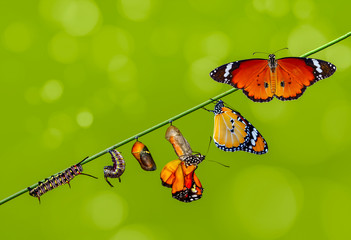
Betsyโ€™s metamorphosis was remarkable. Initially perceived as shy and peculiar, she blossomed into a beacon of kindness and joy. Her humor, distinct and endearing, won the hearts of all. She vowed to fortify herself physically and mentally, vowing never to be vulnerable to exploitation again. If only I could convey to her daughters, the collective affection we hold for her; she strives tirelessly to be the mother and grandmother they deserve.

Shanyce arrived with a boisterous spirit and a deep love for Jesus. Initially, she squandered her days in idle pursuits, but as she observed the positive transformations around her, a spark ignited within. Embracing belief, her life began to align in her favor. She mended ties with her children, emerged as a leader advocating for positive change, and embraced a healthier lifestyle. With each stride, she grew in stature and self-love, leaving no room for doubt that her past was behind her.

The potency of a collective desire for self-improvement is indescribable. It spreads fervently, uniting us in support and encouragement without judgment. We acknowledge our transgressions, seeking forgiveness from loved ones and victims alike, as we accept responsibility and endure our sentences.

In this place, the divine is palpable. Those who once doubted find solace in faith, turning to it for sustenance. The freedom to worship leads to bibles becoming cherished companions. While some may depart and leave their faith behind, others will carry a rekindled belief in Christ, steadfast and transformative. Many of these women will touch lives and guide others to divine grace. Hence, the provision of diverse religious materials in prisons is crucial in disseminating faith.

To transform oneself is to let go of yesterday. The transformed do not crave the validation of the trivial but take comfort in their beliefs. They are confident, for they empower each other. They are beautiful, individually crafted in the strength of their trials. Though confined, they find liberation, no longer subject to the scrutiny of onlookers. Loved so dearly and with the promise of forgiveness and a new life.

* Names have been altered for privacy.

Attitude

โ€œIt often takes just a single brave person to change the trajectory of a family, or any system for that matter.โ€ โ€“ Brenรฉ Brown; Rising Strong.

Have you ever woken up on the wrong side of the bed? The alarm fails to go off, your coffee spills, and traffic seems ten times worse than usual. When everything that could go wrong does, we tend to blame it on the full moon or the alignment of the stars, as if everyoneโ€™s agitation is synchronized. The truth is, our attitude influences how people treat us and how we perceive others. Youโ€™ve heard the saying, โ€œOne bad apple can spoil the whole basket.โ€ Conversely, one good seed can create a beautiful garden.

Imagine a field of wildflowers. The wind scatters seeds across a vacant lot or even into a front yard, and soon, flowers bloom where none stood before. These flowers can form a stunning bouquet for your home or office, shared with neighbors or friends. If the flowers in your yard are particularly beautiful, they might cause passersby to slow down or even detour just to admire them.

Flowers have the power to brighten a gloomy room and introduce beauty where it was absent, altering the atmosphere. How do you change the atmosphere around you? Are you the source of joy and light in a room? Do you make every place you visit better for everyone? Are people comfortable being themselves around you? Does your cheerful outlook boost othersโ€™ confidence? Do they leave your presence smiling, encouraged to do better? โ€œThe longer we walk in the garden, the more likely we are to smell like flowers,โ€ says Max Lucado.

When things go awry, itโ€™s not about whoโ€™s at fault. What matters is your attitude, and you are solely responsible for it. When I choose positivity, I am happier, and it seems to rub off on those around me. Everyone carries an element, an environment, and an energy. How aware are you of yours? Every flower starts from a seed, and the flowerโ€™s potential depends on what we do with that seed. Do you want to be happy tomorrow? Then sow seeds of happiness today.

A centenarian once reflected on his life, saying, โ€œI donโ€™t have many failures. If Iโ€™m making a cake and it fails, it becomes pudding.โ€ His optimism redefines what many would consider a failure into a success. While in prison, I maintained a daily journal, expressing gratitude for my freedomsโ€”a surprising sentiment given my circumstances. My job allowed me to leave the prison yard four days a week, providing a semblance of freedom. I chose to focus on these liberties rather than wallow in self-pity, and each day, I found joy in them.

The happiest and most successful people possess the best attitudes. Attitude is essential for navigating tough times. You canโ€™t afford to let your spirits drop when it matters most. Remember, attitude isnโ€™t hereditaryโ€”itโ€™s contagious. Donโ€™t be the source of negativity in your circle, and resist being dragged down by othersโ€™ misery. Lay the groundwork for positivity with better habits.