

Today I pause.
Fifty‑five years — it looks like a big number on paper, but it doesn’t feel like it lives in my bones. When I look back, though, I see just how full those years have been. I’ve lived, loved, worked, stumbled, learned, and kept going. It’s been a packed life, and I’m grateful for every version of myself who carried me to this one.
Aging is strange. Part of me still wants to be 29 forever, but there are perks to growing older. Becoming a grandparent is one of them — watching your own children build their lives, raise their kids, and succeed in ways you once only hoped for. It’s like getting to relive the sweetness of their childhood without the pressure of being the one responsible for everything.
With age comes a kind of wisdom you can’t fake. You survive enough obstacles to realize they aren’t dead ends; they’re stepping stones. Some mornings I look in the mirror and think, When did I start looking like this? Other mornings I catch a glimpse of myself and think, Hey, not bad for 55. That’s life — some days lift you, some days humble you.
I’ve had my share of challenges, but I’m also aware that others carry burdens I can’t imagine. People who have lost children, battled addiction, or endured heartbreak that reshapes them. My heart goes out to them. Their strength reminds me to stay grateful.
One of the greatest gifts of my life came late: I found real love. The kind that feels steady, safe, and fun all at once. My partner is my best friend, the person I want to talk to, laugh with, and experience everything beside. It took me fifty years to find him, but he was worth the wait.
I’m lucky in family, too. My parents are still here. My siblings are still here. My nieces and nephews are thriving. We’ve lost one brother‑in‑law and miss him deeply, but we’ve also gained another who brings his own kind of goodness into our lives. He doesn’t replace anyone — he simply adds to the story.
My life didn’t follow the path I once imagined. I dreamed of working for a major sports team, but becoming a single mother changed everything. And honestly, I wouldn’t trade it. Watching my daughter build the life she wanted — a career she loves, a marriage she cherishes, beautiful children — that has been the real dream come true.
I’ve collected friends from every corner of life: wealthy, struggling, famous, unknown, local, international, and even a few who are incarcerated. One of them emailed me yesterday to wish me a happy birthday. She hasn’t seen me in two years, yet she remembered. That message meant more than she’ll ever know.
I know today matters to my parents, too. A child’s birthday is always a parent’s milestone. So to them: thank you. I honor you today.
As I step into the next 55 years, I want to love more, spend less, be honest, and stay true to who I am. There’s a freedom in not worrying about what people think — in knowing that happiness is something you build from the inside out. No person, no thing, no amount of money can hand it to you. It’s a mindset, a choice, a practice.
So I’m choosing to enjoy the small, beautiful things.
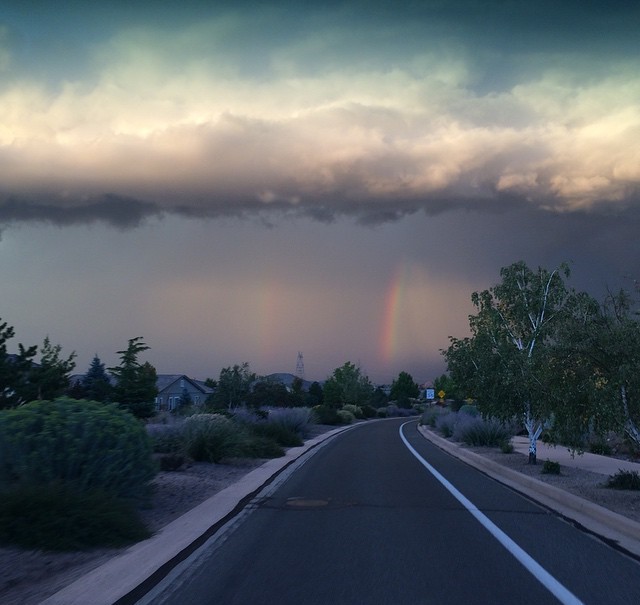
To walk through the neighborhood and notice the trees.
To admire the different ways people shape their yards.
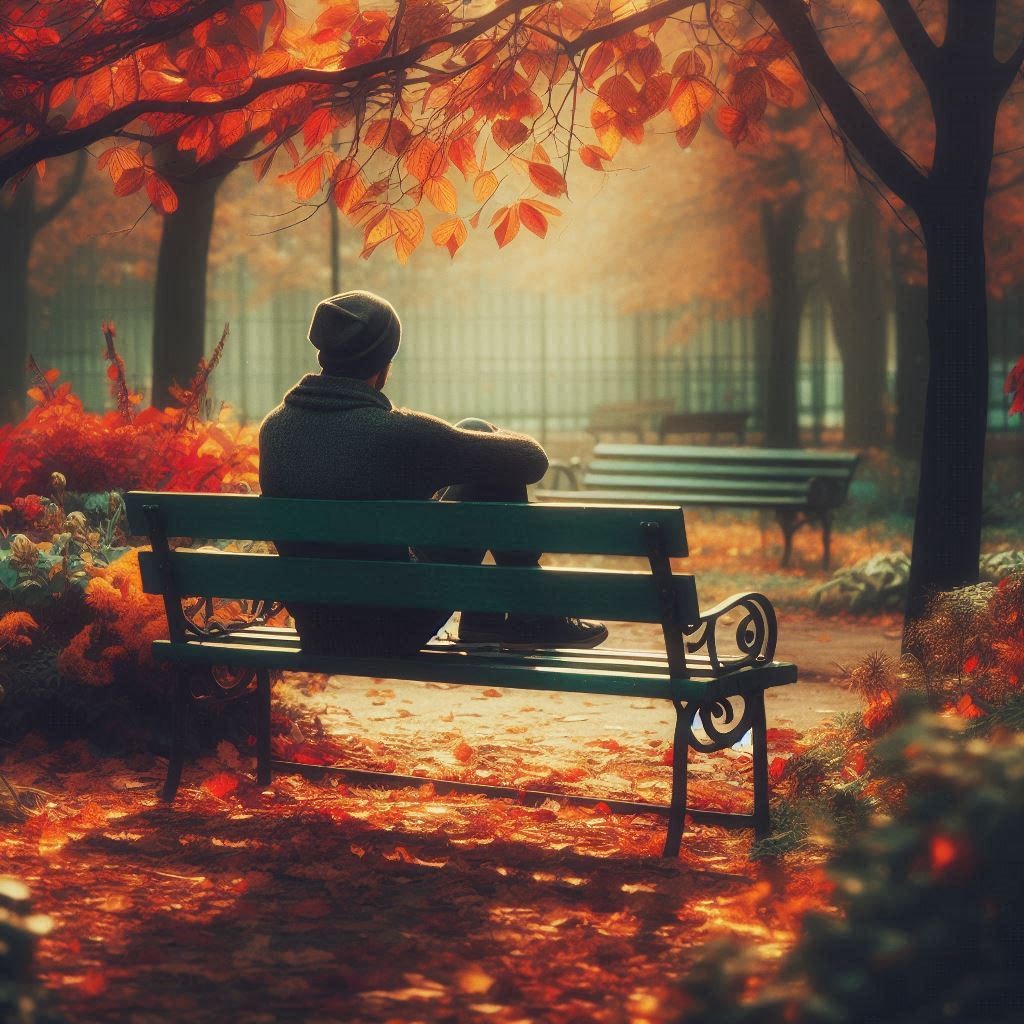
To sit in a park and look up at the sky.
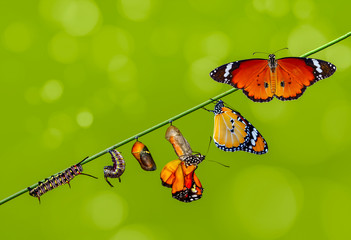
To listen to birds, watch chipmunks dart around, and remember that the world is full of tiny wonders if you slow down long enough to see them.
This is 55.
Not perfect, not polished — but honest, grateful, and very much alive.





 B2tRUE